Strategies for Getting Probiotics into Your Body
Andrea Kiesel • June 7, 2023

Strategies for Getting Probiotics into Your Body

Have you ever experienced digestive-related issues like bloating, digestive discomfort, low energy, moodiness, brain fog, poor sleep…?


You may be surprised to learn that all of these can often be traced back to the gut, where it’s important to maintain robust levels of “healthy” microbes known as probiotics for the gut to function at its best.


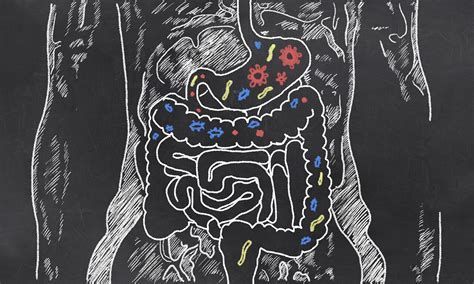
Researchers have found that our genes are only responsible for 10% of our health. The other 90% is influenced by our gut microbiome. The proper balance between beneficial bacteria and potentially pathogenic bacteria, the diversity of the organisms and the health and integrity of the gut lining all impact our health.


Your gut flora affects the health of your entire body, including your brain. Brain chemicals, 90% of them, are made by the bacteria in our gut and have a noticeable effect on mood and sleep patterns.


Many things can threaten our microbiome. What we eat either feeds or kills our gut flora. Being exposed to chlorine and fluoride in drinking water, GMOs, processed and refined foods, sugar, antibiotics (also found in factory-farmed meats and conventional dairy), over the counter painkillers, heartburn meds, EMFs (from computers, cell phones, Wi-Fi) and pollution can all compromise our gut health. 


Think of your gut flora as a garden that we can cultivate. Eating foods that fertilize our gut flora helps them to flourish and do their job well, helping us to absorb nutrients, reduce inflammation, keep our digestion smooth and our immune system intact, fight invaders and improve our overall health.


5 Ways to Get More Probiotics in Your Diet:


1. Eat fermented foods regularly to get beneficial bacteria such as various pickled fermentations of cabbage (sauerkraut), kimchi (a Korean veggie dish), turnips, eggplant, cucumbers, onions, squash, pickles and carrots; tempeh and fermented raw milk such as kefir (plain, unsweetened), yogurt (plain, unsweetened). Avoid traditional yogurt because the pasteurization destroys many of the naturally occurring probiotics.


2. Eat foods to feed the good bacteria:

  • Resistant Starches: Food sources include plantains, green bananas, beans, peas, lentils, whole grain oat, whole grain barley, rice that has been cooked then cooled.
  • Inulin: Food sources include leeks, asparagus, onions, wheat, garlic, chicory, oats, soybeans, and Jerusalem artichokes.
  • Beta-glucan: Food sources include barley fiber, oats, whole grains, reishi, maitake and shiitake mushrooms, seaweed, and algae.
  • Fructo-oligosaccharides (FOS): Food sources include chicory, onions, asparagus, wheat, tomatoes and other fruits, vegetables, and grains.

3. Avoid sugar, which tends to feed the bad or pathogenic bacteria, yeast and fungi in the gut. Artificial sweeteners like Splenda are even worse than regular sugar, as a study performed at Duke University showed it contains a chlorine atom that kills off the good bacteria in your gut just like chlorine kills microorganisms in swimming pools.


4. Eat organic when possible because gut flora is negatively impacted by agricultural chemical, pesticides and antibiotics (found in meat).


5. Evaluate the activity of the microbiome and then supplement with high-quality probiotic products.


Knowing which foods you need to eat more of and finding the right probiotic, including spore or soil-based probiotics can be an important part of your health recovery. They can recondition and re-seed your gut microbiome, pull weeds and fertilize your flora for proper growth.


Having your unique microbiome population evaluated gives us the best direction of which foods and probiotics you need to be healthy and thriving.


Call the office today to order a BiomeFX kit to test your gut microbiome and for choosing which probiotics are best for you.


I look forward to speaking with you!


By Andrea Kiesel May 19, 2026
May brings sunshine, blooming flowers…and for many people, the return of sneezing, congestion, itchy eyes, and fatigue. If that sounds familiar, you’re not alone and more importantly, you’re not stuck with it. At The Wellness Advantage, we take a different approach to seasonal allergies. Instead of simply suppressing symptoms, we focus on helping your body stop overreacting in the first place. This work is deeply personal to me. Years ago, when I lived in Seattle, spring was something I dreaded. Every March and April, I experienced constant sinus congestion, pounding headaches, and even laryngitis. I later discovered I was highly sensitive to pine trees, mold, and dust — things I couldn’t avoid no matter how hard I tried. Like many people, I was told by my medical doctor that I would need to rely on antihistamines indefinitely. But instead of settling for that, I explored a different path. Using computerized bioenergetic testing, I was able to identify exactly what my body was reacting to. Based on those results, I was given a custom homeopathic desensitization tincture designed to “educate” my immune system to recognize these substances without triggering an inflammatory response. Within four weeks, my symptoms were completely gone. Not improved, gone. They never came back. I was able to throw away the medications I had been told I’d need for life. That experience didn’t just change my health, it changed the direction of my life. It’s what led me to become a homeopath and bioenergetic practitioner. Today, I have the privilege of helping my clients experience that same kind of transformation. How it Works Your body is constantly responding to its environment. When allergies are present, it’s not the pollen, mold, or dust itself that’s the problem — it’s the way your immune system is reacting to it. Through bioenergetic testing, we identify your specific sensitivities. Then, using customized homeopathic drops, we gently retrain your body to tolerate those substances instead of reacting to them. Think of it as reprogramming your immune response calmly, naturally, and without harsh side effects. Why Clients Love this Approach It addresses the root cause, not just symptoms It’s gentle, non-invasive, and natural It’s personalized to your unique sensitivities It often brings relief where other approaches have failed And perhaps most importantly, it gives people their lives back. There is something incredibly rewarding about watching someone go from dreading the outdoors to enjoying spring again…from relying on daily medication to feeling free in their own body. Is this your Season to Feel Better? If you’ve been struggling with seasonal allergies year after year, your body may simply need the right kind of support and guidance to respond differently. You don’t have to “just live with it.” If you’re curious about how this process could work for you, I invite you to schedule a session. We’ll take a deeper look at your health, identify your triggers, and create a personalized plan to help you move toward lasting relief. Because feeling well shouldn’t be seasonal. It should be your normal.
By Andrea Kiesel April 16, 2026
Have you noticed your body feeling a little different lately? Spring brings longer days, brighter light, and a natural shift in our body’s rhythms. Light entering the eyes signals the brain to adjust hormones like melatonin, cortisol, serotonin, and dopamine. These changes help move us from winter’s slower pace into spring’s renewed energy. But for many people, this seasonal transition doesn’t always feel smooth. You might notice: sleep changes after daylight savings mood fluctuations increased allergies digestive discomfort or bloating feeling wired but tired emotional sensitivity or stress Often this simply means your hormones and nervous system are recalibrating with the changing light. The Gut–Hormone Connection One of the biggest players in this seasonal shift is your gut . The gut is not just responsible for digestion. It plays a key role in: hormone regulation immune system balance detoxification neurotransmitter production In fact, about 90% of serotonin (the “feel good” neurotransmitter) is produced in the gut. If the gut is inflamed or out of balance, the body may struggle to adapt to seasonal changes. This can show up as: fatigue brain fog mood swings or anxiety food sensitivities worsening seasonal allergies Supporting gut health often helps stabilize the entire system , allowing hormones and the immune system to function more smoothly. Spring Detox Support
By Andrea Kiesel April 2, 2026
As we turn the page from winter into early spring, now is a wonderful time to rebuild strength—body, mind, and spirit. At The Wellness Advantage, we see this as more than “getting back to normal.” It’s about restoring vitality with intention, using the best of natural medicine, nutrition, and faith-based healing. A Story of Healing and Renewal Recently, a young boy visited our clinic with persistent itchy skin rashes—especially after sports practice and playing on grass. His family had tried various approaches with little progress. Through our bioenergetic testing , we discovered environmental triggers and crafted a gentle homeopathic desensitization remedy tailored to his needs. His mother sent this heartwarming update:
By Andrea Kiesel February 2, 2026
Fresh-Milled Flour: The Health Benefits &  How to Get Started
By Andrea Kiesel January 26, 2026
Rethinking Wheat: My Fresh-Milled Flour Journey
By Andrea Kiesel December 16, 2025
Understanding GLP-1: Beyond the Headlines
By Andrea Kiesel October 9, 2025
The Hidden Foundation to Vibrant Health
By Andrea Kiesel September 25, 2025
Is Your Body in Balance?
By Andrea Kiesel July 10, 2025
What every parent needs to know when their child gets a fever.
By Andrea Kiesel June 30, 2025
Why I Left My 15 Year Pharma Career